01
Content first
If the words don't earn their place, no grid will save them.
A website · about websites · made by a website
Every site you've ever loved was a series of small, stubborn decisions — a typeface chosen at 2 a.m., a margin nudged by four pixels, a copy line rewritten seven times. This is a field guide to those decisions.
If the words don't earn their place, no grid will save them.
Choose two faces, set them well, and most design problems dissolve.
Empty space isn't waste — it's where the eye breathes and the mind decides.
A site that loads in 300ms feels better than one that loads in 3s. Always.
A small palette, a fixed grid, a single accent. The box is the freedom.
A live site beats a perfect mockup. Iterate in public. The web forgives.
§ 02 — Anatomy
The bones. Semantic, accessible, indestructible.
The skin. Cascading, opinionated, recently brilliant.
The nerves. Use sparingly. It's heavier than you think.
The soul. Cannot be installed via npm.
§ 03 — Process
Sketch → wireframe → prototype → ship → notice everything wrong → fix half → ship again.
“Making a website is the act of arranging known materials — text, image, link — into a shape someone has never seen before. The medium is small. The room for invention is vast.”
§ 04 — The people
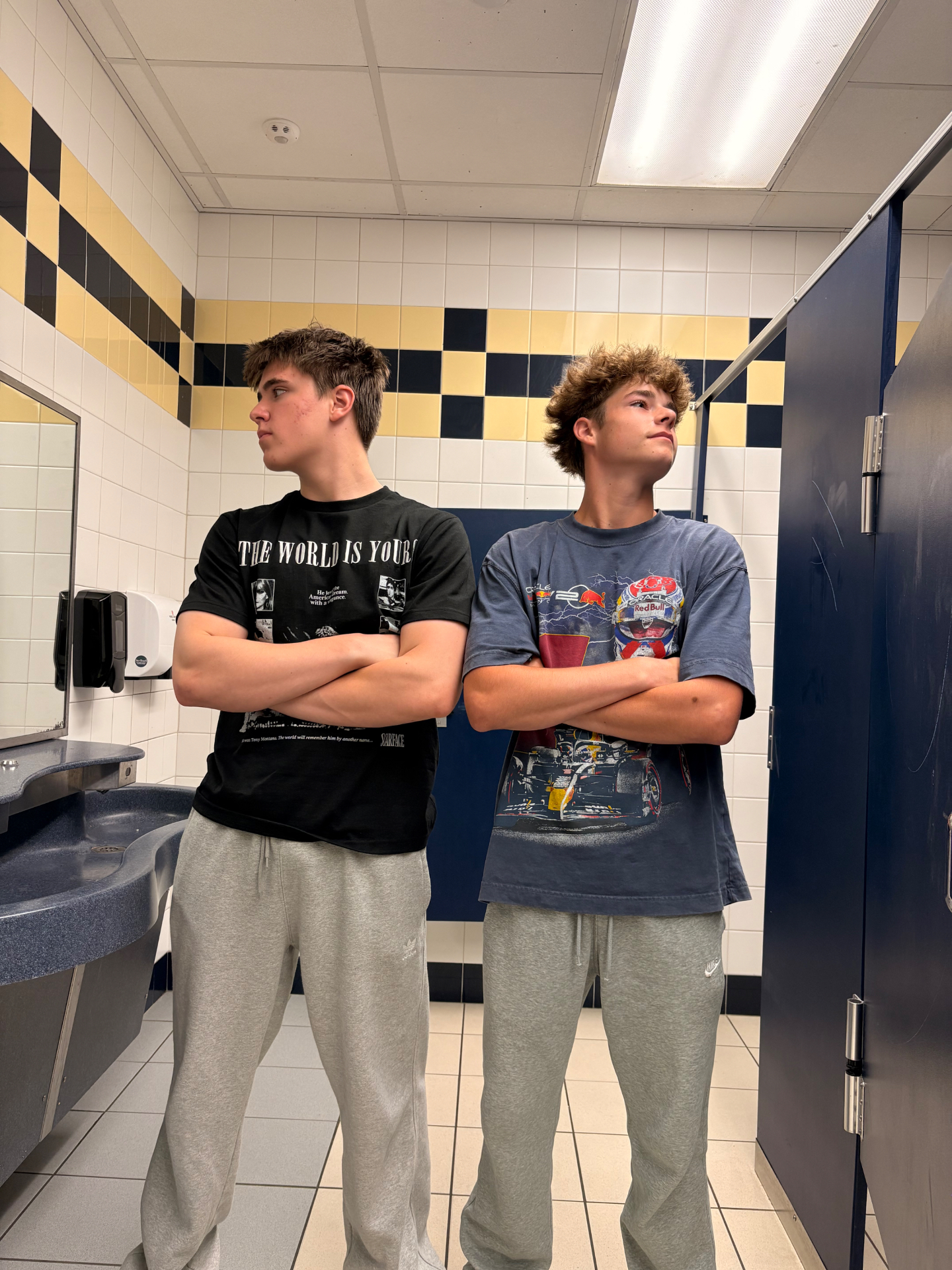
Aaron and Braxton have been building things together for seven years. They started because they were tired of websites that felt like templates, and they haven't stopped since.
Believes the best sites are built with stubborn care — nudging margins at 2 a.m., rewriting copy seven times, and never shipping until it feels right.
Thinks in systems and constraints. The one who argues for less JavaScript, tighter grids, and the quiet courage to leave things out.
The manifesto
The best websites aren't products. They're letters from one human to another, dressed up in CSS. Write yours.
Start a new file →Get in touch
§ 05 — Inquiry
Drop your details below. We read every message and reply within a couple of days.